Turkish Residence Permit in Istanbul: Types, Renewal, Refusals
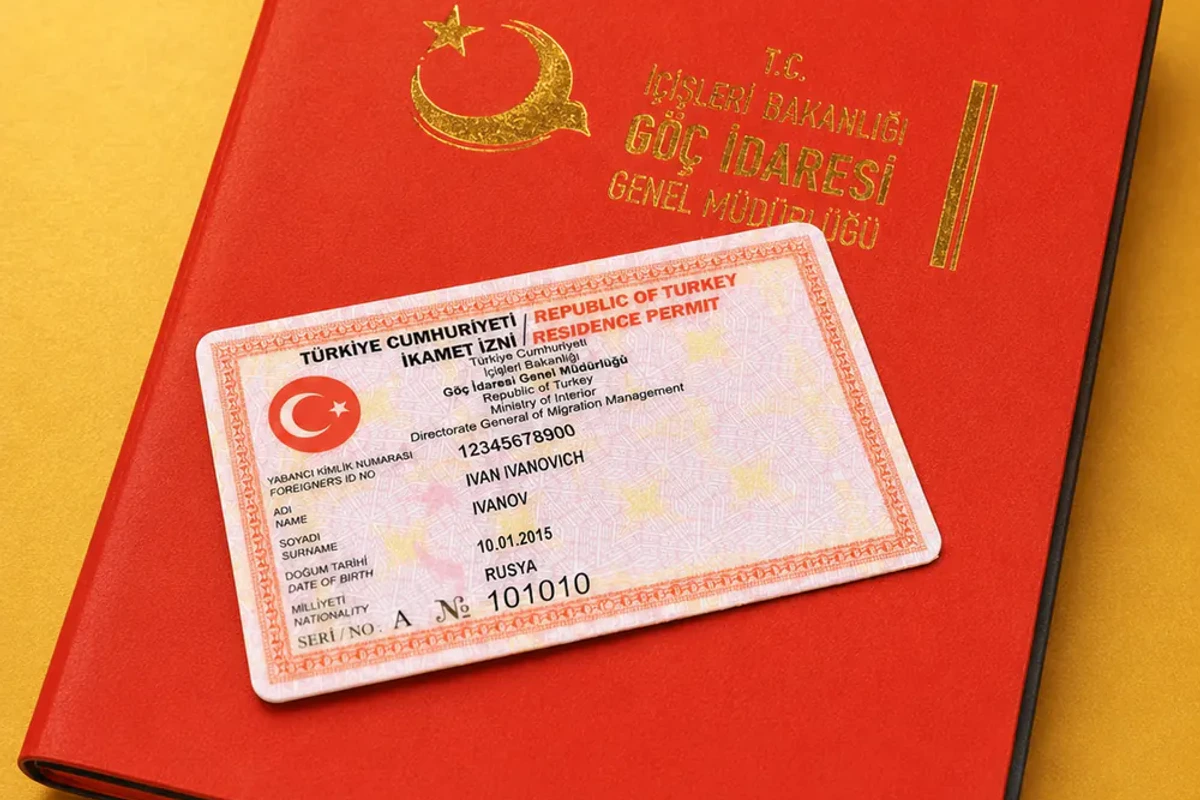
A residence permit (ikamet izni) is the authorisation Türkiye's Presidency of Migration Management (Göç İdaresi) issues so a foreigner can stay longer than a visa or visa exemption allows. It is governed by Law No. 6458, and each type rests on its own reason: tourism or property, study, family or work. This guide covers which type fits you, what usually sinks an application and what changes when your situation does. Rafiq prepares your file and follows it to a decision.
Which residence permit fits your situation?
Your permit type is set by your actual reason for being in Türkiye, not by preference. A short-term permit (kısa dönem) covers tourism and owning residential property and is issued for up to two years at a time. A student permit (öğrenci ikameti) is for people enrolled in formal, in-person education; a language course alone usually does not qualify. A family permit (aile ikameti) covers the spouse and minor children of a legally resident sponsor, for up to three years and never beyond the sponsor's own permit. For employees, the work permit itself serves as the residence permit. After eight years of continuous legal residence, a long-term permit (uzun dönem) can be requested, with rules on which years count.
The most common reasons residence applications are refused
Most refusals come from a file that does not match up, not from a lack of eligibility. The usual causes: an address in a neighbourhood closed to new foreign registrations, a list Göç İdaresi updates periodically for Istanbul and other cities; an unnotarised lease or an address that differs from the address register (adres kaydı); health insurance that does not cover the full period; a passport close to expiry; an unconvincing reason, such as renewing a tourist permit again and again with no clear plan; and missing the migration office appointment without a valid excuse, which makes the application count as never filed. Rafiq checks these points before you apply; the decision stays with Göç İdaresi.
What changes when your situation changes?
Any change in your reason for residence or your address affects your permit, even while the card is still valid. When you move, your address must be updated in the civil registry's address system (NVİ) within 20 working days, or official notices keep going to the old address. If you graduate, leave your university or your job ends, the basis of your permit falls away and you need a new route within a short deadline. Switching types, for example from tourist to family, is handled as a transfer with new requirements, not as a renewal. A renewal itself is filed in the last 60 days before expiry and, in every case, before the expiry date.
Common questions
Can I work on a tourist residence permit?
No. A short-term permit, including tourist and property-based ones, gives no right to work. Legal work in Türkiye needs a work permit (çalışma izni) issued by the Ministry of Labour and Social Security on a registered employer's application, and that work permit then serves as your residence permit. Working without one exposes worker and employer to penalties and can put your residence at risk.
How long does a residence permit decision take?
Up to 90 days from a complete application under Law 6458; many files are decided sooner, but there is no guarantee. While you wait, your stay remains lawful if you applied on time. Once approved, the card is sent by Turkish post (PTT) to your registered address, so your address and phone number must be correct and reachable.
What is the number that starts with 99?
It is the foreigner identity number (yabancı kimlik numarası): an 11-digit number starting with 99, assigned by Göç İdaresi with your first residence or work permit application. It does not change even if your permit type does. Banks, hospitals, notaries and e-Devlet use it, and it also serves as your tax number; people without a permit get a separate tax number (vergi numarası).
The property-ownership route has a page of its own on Rafiq: conditions for a property residence permit — who may apply, the documents required, how long the permit lasts and what the process looks like.
Official sources
The information on this page follows what these official authorities publish; the final decision in every procedure is theirs: